

By Jim Rutberg, Endurance Coach and Co-Author of “The Time-Crunched Cyclist”
For even the most dedicated athletes and fitness enthusiasts, training takes up a relatively small percentage of the total hours in a week. You spend far more time NOT exercising, and what you do during those hours (typically 90+% of the week) can enhance or hurt your recovery, adaptation, and readiness for your next training session. That’s why there are so many recovery-oriented tools, methods, and supplements clamoring for your attention. If you find it all a bit confusing and overwhelming, here are some proven, simple, effective fundamental recommendations for optimizing post-recovery.
Sleep is the World’s Best Recovery Tool
Nothing positively influences post-workout recovery more than high-quality sleep. And although both are restful, there are important differences between watching television on the couch and sleeping soundly in your bed. Levels of important hormones (human growth hormone, testosterone, estrogen) peak during sleep, not while you’re watching streaming videos. More importantly, these hormones are released during specific phases of your sleep cycle, meaning shortened or disturbed sleep reduces the levels of muscle-building and muscle-repairing hormones in your body.
Consume protein throughout the day, not just after exercise
Active adults benefit from consuming more protein than the Recommended Daily Allowance (RDA), which is 0.8 grams of protein per kilogram of bodyweight per day. Protein recommendations for active adults range from 1.0 – 2.0 g/kg/day (approximately 0.5 – 1.0 grams per pound). More isn’t always better. Consuming 1 gram of protein per pound of bodyweight can be a challenging amount of food and may not add additional benefits unless you’re exercising at a high intensity.
Ideally, you should aim to spread protein intake across the whole day, meaning 20- to 40-gram portions during meals and snacks from morning to evening. This provides amino acids so muscle protein synthesis can keep going steady around the clock, and it leaves room within meals and snacks for calories coming from fat and carbohydrate. If you can’t consume smaller amounts of protein throughout the day, new research shows that a single big dose of protein (e.g., 100 grams in one sitting) can fuel muscle protein synthesis for up to 12 hours. It’s not ideal, but it works in a pinch (like long airplane rides or days when stopping to eat isn’t convenient) (PMID: 38118410).
Recovery starts before training ends
Your nutrition and hydration habits before and during workouts directly impact how stressful those workouts are to your body and how quickly you can recover from them. Hydrating and fueling yourself adequately before and during a training session means you’ll feel better and perform a higher quality workout, and it also means you’ll be better prepared to absorb the training stress from today’s session. It won’t take as much out of you, or dig as deep a fatigue hole that you must fill back in before your next workout.
One of the biggest errors trainers and coaches see is people who choose to restrict fluid or energy intake during workouts because they think it’ll help them lose weight. You’ll lose water weight by not replenishing water lost as sweat, but restricting calories and fluid during exercise dramatically reduces the amount of work you can accomplish in that session. You won’t lift as much weight, walk/run/bike as long, keep up with the exercise class as well, etc. Not only does that make today’s session less effective, it also makes it harder to recover and feel strong for your next workouts.
A post-workout meal refuels muscles more quickly
At the start of exercise, your muscles are full of stored carbohydrate energy from the food you ate. During exercise, muscles use a combination of that stored carbohydrate and stored fat to power your muscles. After exercise, your muscles are primed to replenish their carbohydrate stores, and it’s an easy opportunity to take advantage of. A simple snack, recovery drink, or meal within about 60 minutes after training will do the trick. For best results, focus on carbohydrate and protein in that snack/drink/meal, but understand that the carbohydrate is more important in this timeframe (see above for the rationale for spreading protein across the day).
There’s no reason to get hyperfocused on this 60-minute post-workout timeframe. It’s most important for athletes training twice a day or people who will be training again within fewer than 24 hours (like an evening workout tonight and a morning workout tomorrow) (PMID: 28919842). If you are training every other day (36-48 hours between sessions), your muscle carbohydrate stores will refill completely from your normal eating habits.
End all workouts with a cool down
Ending your training session with 5-10 minutes of easy movement (i.e., walking, stretching, easy spinning on an exercise bike, etc.) aids the recovery process. When you finish the more intensive portion of your workout, blood vessels are still dilated, cardiac stroke volume is still elevated, and your muscles are still generating a lot of heat. Easy muscle contractions help facilitate circulation as your body transitions back to a resting or non-exercising state. Blood moves heat from your core to your skin and sweat to bring down core temperature. Skipping the cooldown can contribute to overheating by reducing blood flow to the skin too quickly and reducing airflow over the body when you stop moving (this can be mitigated by fans and/or cold, wet towels).
You don’t need to add recovery activities, unless you want to
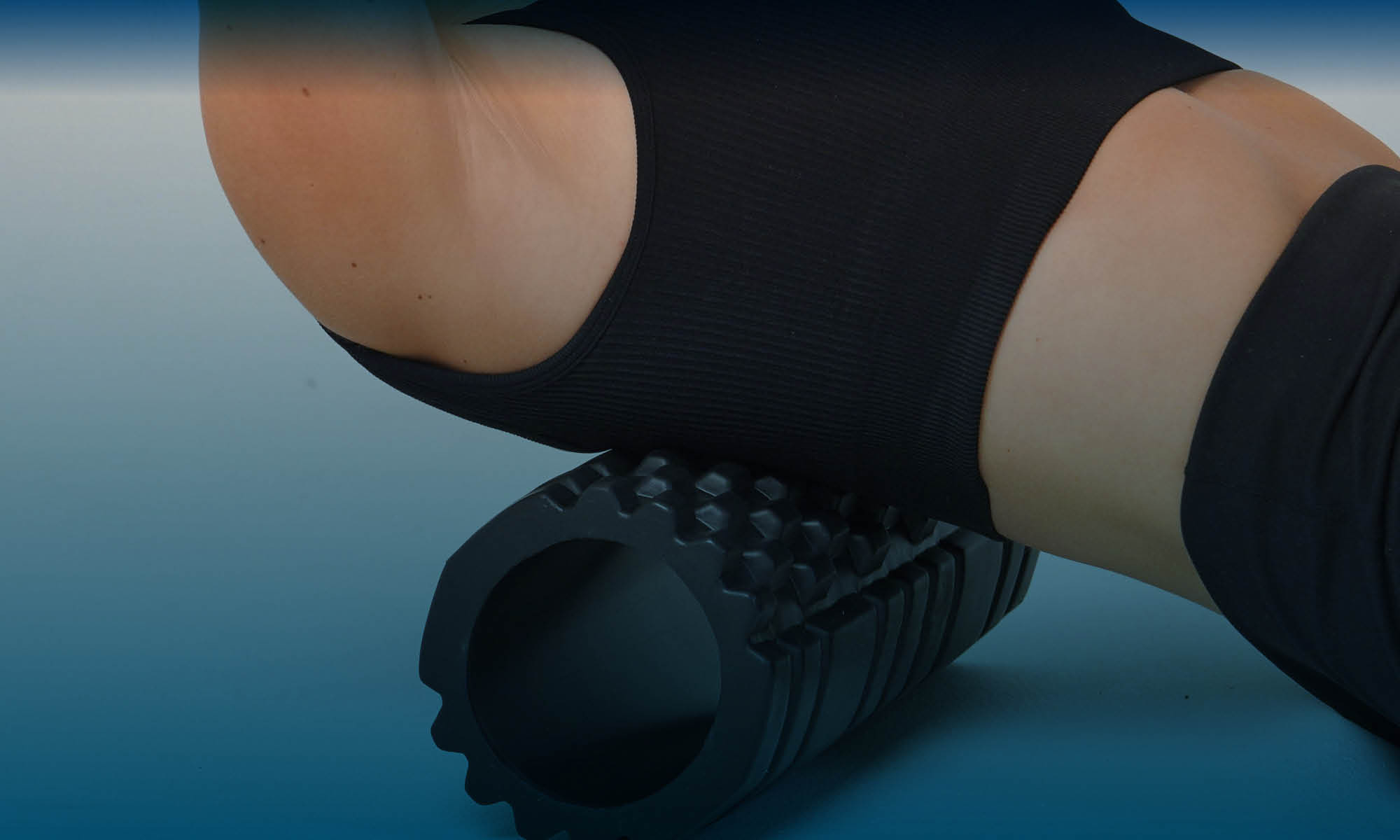
Recovery activities like massage, foam rolling, compression garments, cryotherapy, and percussion devices can play a role in your recovery routine if they make you feel good. According to the book, “Good to Go: What the Athlete in All of Us Can Learn from the Strange Science of Recovery”, their most important effect, however, may be that they make you stop moving and sit still for a while. Stacks of research papers arrive at similar conclusions: recovery-oriented activities and products rarely yield better results than passive rest. At the same time, they don’t appear to do any harm, either (as long as you have no underlying health conditions that are contraindicated). The point is, you’re not necessarily missing out on some special benefit if you don’t have time or opportunity to add a bunch of extra recovery-oriented activities. Again, the best thing you can do is sleep, everything else pales in comparison.
Remember that all stress is training stress
Some people look at recovery as something that just has to balance out the stress from exercise. But your body doesn’t know the difference between stress from training, work, relationships, and daily living. This means optimizing recovery includes addressing the stressors throughout your life. Rest isn’t as restorative when anxiety levels are off the charts or your relationship is falling apart. If you are struggling to recover adequately between training sessions, look beyond your sleep and dietary habits to see if lifestyle stress is throwing you out of balance.
References:
Aschwanden, Christie. Good to Go: What the Athlete in All of Us Can Learn from the Strange Science of Recovery. W.W. Norton & Company, Inc, 2020.
Kerksick CM, Arent S, Schoenfeld BJ, Stout JR, Campbell B, Wilborn CD, Taylor L, Kalman D, Smith-Ryan AE, Kreider RB, Willoughby D, Arciero PJ, VanDusseldorp TA, Ormsbee MJ, Wildman R, Greenwood M, Ziegenfuss TN, Aragon AA, Antonio J. International society of sports nutrition position stand: nutrient timing. J Int Soc Sports Nutr. 2017 Aug 29;14:33. doi: 10.1186/s12970-017-0189-4. PMID: 28919842; PMCID: PMC5596471.
Trommelen, J., van Lieshout, G. A. A., Nyakayiru, J., Holwerda, A. M., Smeets, J. S. J., Hendriks, F. K., van Kranenburg, J. M. X., Zorenc, A. H., Senden, J. M., Goessens, J. P. B., Gijsen, A. P., & van Loon, L. J. C. (2023). The anabolic response to protein ingestion during recovery from exercise has no upper limit in magnitude and duration in vivo in humans. Cell reports. Medicine, 4(12), 101324. https://doi.org/10.1016/j.xcrm.2023.101324
Jim Rutberg has coached endurance athletes for more
than 20 years and co-authored 10 books on training and
sports nutrition for cyclists, runners, and ultra-endurance
athletes.

Recover Smarter.
Feel Better Tomorrow.
Your workout doesn’t end when you leave the floor it’s what you do after that counts. With our All-Access Pass, you can support your recovery with everything from restorative classes to well deserved sauna time. Take the time to recharge, rebuild, and come back stronger for whatever’s next.